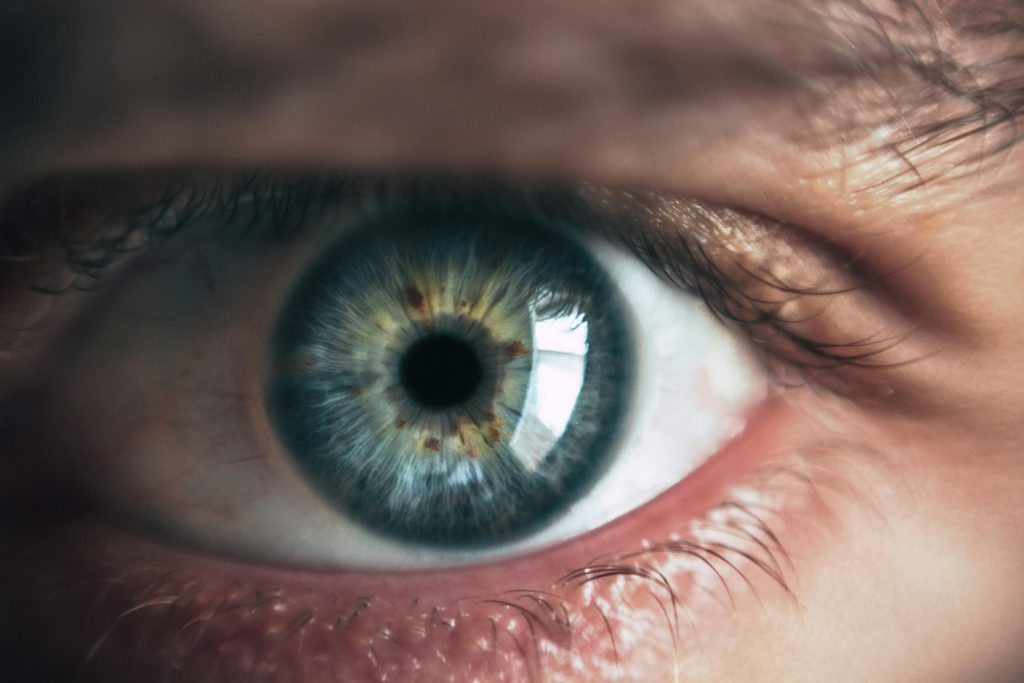
January is Glaucoma Awareness Month.
That means you’ll probably see statistics shared online, posters in practices, and reminders to book an eye test most places you look.
All useful. But what does it actually mean for you as a patient here in Doncaster?
Especially if your sight feels fine.
Especially if you have no symptoms.
Especially if you assume glaucoma is something that happens to other people.
This guide explains what glaucoma really is, why it’s so often missed, and what you should expect from your Doncaster optician if glaucoma is suspected, monitored, or already diagnosed.
Why is glaucoma called “the silent thief of sight”?
Glaucoma rarely makes a fuss.
In its early stages, it usually causes no pain and no obvious change to vision. In fact, most people don’t notice anything wrong at all, which is the scary thing.
That’s why it is often called the “silent thief of sight”.
By the time vision changes become noticeable, damage has often already occurred. And unlike many other eye conditions, that damage cannot be reversed.
In the UK, more than 700,000 people are living with glaucoma, and around half don’t know they have it.
That’s not because they are careless. It’s just because glaucoma is that good at hiding.
Who’s most at risk of glaucoma?
Anyone can develop glaucoma, but some people are at higher risk than others.
This includes people who are:
> Over the age of 40
> Over the age of 60 in particular
> From an African Caribbean or Asian background
> Living with diabetes or high blood pressure
> Aware of glaucoma in their family
> Known to have thin corneas or higher eye pressure
If any of this applies to you, your eye test needs to be more than a quick check of how well you can see.
It needs to be thorough, unhurried, and focused on long term eye health.
How can you tell if you have glaucoma?
This is where regular eye tests really matter.
Glaucoma isn’t diagnosed by asking you how your eyes feel. It’s identified by looking for small, early changes that you won’t notice yourself.
A proper glaucoma assessment may include:
- > Measuring eye pressure
- > Assessing peripheral or side vision
- > Carefully examining the optic nerve
- > Taking scans or images to track subtle change over time
- > Considering corneal thickness and overall risk factors
None of these tests are uncomfortable. But they do require time, attention, and consistency.
This is also why seeing the same optician regularly can make such a difference. Detecting glaucoma is often about spotting change, not just spotting a problem once.
What you should expect from your Doncaster optician
If glaucoma is suspected or being monitored, there are some things you should reasonably expect from your local optician.
- > Clear explanations in plain language
- > Time to ask questions without feeling rushed
- > A calm, measured approach rather than alarm
- > Consistent monitoring using the same equipment where possible
- > Proper referral pathways if specialist care is needed
You should also feel confident that your optician knows your history. Your past test results, your risk factors, and any changes over time all matter with glaucoma.
This is not a condition that suits a conveyor belt approach.
What happens if glaucoma is found or suspected?
If glaucoma is detected early, it can usually be managed very effectively.
Treatment is focused on controlling eye pressure and slowing or stopping further damage.
This may involve:
- > Prescription eye drops
- > Laser treatment
- > Referral to hospital eye services
- > Long term monitoring and review
Your optician should explain what stage you are at, what happens next, and what role they will continue to play alongside hospital care if needed.
Good glaucoma care is joined up care.
Can glaucoma be prevented?
Not always. But it can often be caught early.
And early detection is the difference between maintaining useful vision for life and losing it unnecessarily.
The most important steps you can take are:
- > Having regular eye tests even if your vision feels fine
- > Telling your optician about family history and health conditions
- > Attending follow up appointments when advised
- > Using prescribed treatments exactly as directed
These small actions make a very big difference.
Why regular eye tests matter more than you think
Many people book an eye test because their vision has changed.
Glaucoma doesn’t work like that.
It doesn’t blur your vision early on. It doesn’t cause discomfort and it most certainly doesn’t warn you.
That’s why eye tests aren’t just about seeing clearly. They’re about protecting the sight you already have.
A thorough eye examination is one of the most effective preventative health checks available.
Why January is a good time to take action
Glaucoma Awareness Month exists for a reason.
It’s a reminder to pause, reflect, and book an eye test if it’s been a while.
Not because something is wrong. But because you want to keep it that way.
In summary, please don’t take your sight for granted
Glaucoma may be silent, but it is not unstoppable.
With the right care, the right monitoring, and the right relationship with your optician, most people with glaucoma continue to live full, visually independent lives.
If you are based in Doncaster and have questions about glaucoma, your risk, or around anything else, please give us a call or book an appointment.
We’ll always take the time to explain.
Because your sight is not something to take for granted. And protecting it starts long before you notice a problem.