The short answer: When you choose an optician in Doncaster, start with what matters most to you. It’s worth checking recent reviews, who will examine your eyes, how long the appointment lasts, and whether you’ll see the same person each time. Every optometrist must be registered with the General Optical Council.
You’ve searched for an optician, and now you’re looking at a list of names. They all say much the same thing: caring, professional, a great choice of frames.
So how do you tell them apart?
It’s a question we hear a lot, often from people who’ve had one rushed or pushy appointment and don’t want another. In this guide, we’ll go through what actually makes a difference, how to check the basics, and the questions worth asking before you book.
What should I look for in an optician?
It helps to think about what matters most to you. For many people, it comes down to feeling they’ve had a thorough eye test, understood what was found, and had their questions welcomed.
Things people often say matter to them:
- – Time. The appointment doesn’t feel rushed, and there’s space for your questions.
- – Clear explanations. You’re told what each test is for and what the results mean.
- – Honest advice. If your current glasses are still fine, you’re told so.
- – Continuity. Someone keeps track of how your eyes change over the years.
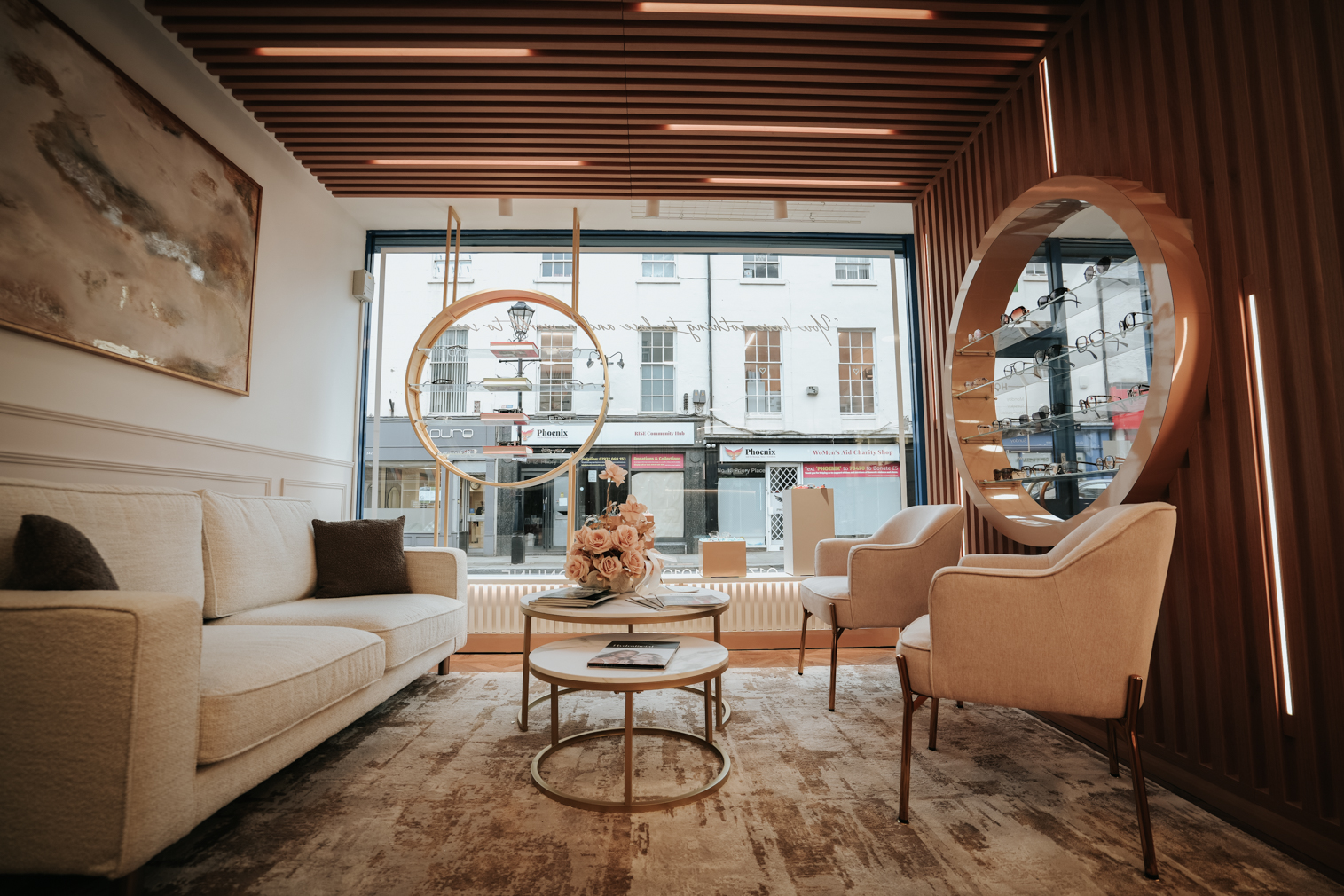
- – A calm, welcoming place. It sounds small, but it matters, especially if eye tests make you nervous.
How do I check an optician is properly qualified?
Check the General Optical Council (GOC) register. The GOC is the regulator for opticians in the UK. Optometrists must be registered with it to practise, and its registers are publicly available to search online.
It helps to know who does what:
- – Optometrist. The person who examines your eyes, tests your sight and checks the health of your eyes.
- – Dispensing optician or optical assistant. The person who helps you choose glasses and makes sure they fit and work for your prescription (many practices may call them by other titles too, like optical consultants of optical stylists).
- – Optician. The word most people use for the optometrist or the practice itself.
To check someone yourself:
- – Find the optometrist’s name on the practice website, or ask when you call.
- – Go to the GOC website (optical.org) and search the register by name.
- – Check they’re listed as an optometrist.
If a practice doesn’t name its optometrist anywhere, that’s worth a question. It may simply mean you’ll see whoever is working that day.
Some optometrists also take additional qualifications and training as part of their ongoing professional development in order to be able to treat or advise on certain conditions or issues.
Are Google reviews a good way to choose an optician?
Yes, as long as you read them with a bit of context. Reviews written by real patients tell you far more than any website can.
When you read them, look for:
- – Recent reviews. A steady flow over recent months shows you what the practice is like now.
- – Detail. A few sentences about a real visit are worth more than five stars and no words.
- – Common themes. Do people mention being rushed, or being given time? Feeling pushed, or feeling looked after?
- – How the practice replies. A thoughtful reply to a less happy review says a lot.
A personal recommendation from a friend or family member is just as valuable. Many of our own new patients come to us that way.
Does it matter if I see the same optometrist each time?
For many people, yes. An optometrist who has seen your eyes before can compare what they see today with what they saw last time. Small changes are easier to notice when someone knows your history.
It’s a bit like a hairdresser who has cut your hair for years. You don’t have to explain what you like, what went wrong last time, or which bits never sit right. They already know.
It also means you don’t have to repeat yourself. Your worries, your family history, the varifocals you struggled with: it’s all already known.
That said, continuity isn’t everyone’s top priority. If you mainly want late opening hours or a walk-in appointment, a larger practice may suit you better, and that’s a perfectly sensible choice.
How long should an eye test take?
It varies, from about 20 minutes to 45 minutes or more. A longer appointment usually means more tests, and more time to talk.
What matters most is whether the time feels enough for you. If you have questions, a family history of eye problems or something that’s worrying you, look for a practice that won’t hurry you.
Our guide to how much an eye test costs explains the difference between standard and longer tests, and who can get a free NHS test.
Will I be pressured to buy glasses?
You shouldn’t be. Your optician should explain your options and let you decide.
Signs of pressure include being steered straight to the most expensive lenses, time-limited offers, or a feeling that you can’t leave without buying.
It’s fair to ask a practice directly: “Do your staff earn commission on what I buy?” The answer tells you a lot.
What should I ask before booking?
A short phone call can save you a disappointing visit. These are the questions we’d suggest:
- – Who will examine my eyes? And will it be the same person next time?
- – How long is the appointment? Ask how much of that is with the optometrist.
- – What’s included? Which tests and scans, and at what price.
- – Can I have an NHS sight test? If you’re eligible, ask whether it can go towards a longer test.
- – Is there any pressure to buy? Ask whether staff work on commission.
- – How soon can I be seen? Useful if something has changed with your eyes.
If anything sudden happens to your sight, such as flashes of light, a shadow across your vision or sudden blurring, don’t wait for a routine appointment. Contact an optician the same day, or call NHS 111.
Do I need to change opticians at all?
Not if you’re happy. If your optician knows your eyes, gives you time and never pushes you, that’s worth keeping. There’s no need to change for the sake of it.
But if you’ve felt rushed, pressured or like a number, you’re free to move whenever you like. Our guide to changing opticians after years with the same one explains what happens to your records and prescription.
Choosing an optician in Doncaster
If you’re looking for an optician in Doncaster who gives you time, here’s what to expect from us.
Your eye test is with Dr Pretty Basra, our optometrist and co-owner, every time you visit. She has been an optometrist for more than 20 years and has been shortlisted four times for Optometrist of the Year at the National Optician Awards.
You can meet Pretty here.
Our appointments aren’t rushed. Nobody here works on commission. And if your glasses are still right for you, we’ll say so.
We’re an independent practice on Priory Place, in the town centre, and the practice has been looking after eyes here for more than 50 years. New patients are usually seen within a week, and if you’re moving from another optician, we can ask for your records for you, free of charge.
Questions people often ask
What’s the difference between an optician and an optometrist?
An optometrist examines your eyes and tests your sight. “Optician” is often used as the everyday word for both the optometrist, and for the practice in general.
Can I have an NHS eye test at any optician?
Most opticians offer NHS sight tests, but it’s worth checking when you book. If you’re eligible, for example because you’re 60 or over, the NHS test itself is free.
Is a more expensive optician always better?
Not always. A higher price often reflects a longer appointment, more tests or more experienced staff, but it isn’t a guarantee. Look at what’s included, how long you’ll have and what patients say in reviews.
How do I know if an optician is independent?
Look at the practice’s website for who owns it. Independent practices are usually owned by the people who work there, rather than part of a group with a head office. Ask if you’re not sure.
What does an eye test include?
Every sight test should check how well you see and look at the health of your eyes, inside and out. Longer tests may add photos or scans of the back of your eye, and a check of your side vision.
The bottom line
The right optician is the one that fits what you value most. For many people, that’s time, honest advice and seeing someone who knows their eyes. Read recent reviews, check their qualifications, and ask a few questions before you book.
If you’d like to talk it through, you’re very welcome to book an appointment, call us on 01302 349193 or simply pop in. No pressure, and no obligation.