The short answer: To look after your eyes in winter, keep the central heating a little lower and let fresh air in, as warm, dry air can make eyes feel dry. Wear sunglasses on bright days, especially when driving into a low sun. Rest your eyes during long evenings on screens, and wash your hands before touching your eyes.
Winter brings its own small eye troubles. Gritty eyes in a warm living room. Watering eyes on a cold walk into town. Dazzling low sun on the morning drive, and dark evenings on the way home.
None of these are usually serious. But they can be uncomfortable, and they’re among the things we’re asked about most from November onwards.
In this guide, we’ll go through the most common winter eye problems, what actually helps, and when it’s worth getting your eyes checked.
Why do my eyes feel dry in winter?
Mostly because of the heating. The College of Optometrists says central heating can make dry eyes worse, and cold winter winds can add to it.
Your eyes are covered by a thin layer of tears that keeps them comfortable. Warm, dry indoor air helps that layer evaporate faster. Think of a puddle on a warm day: it disappears much quicker than it would in cool, damp air.
The College suggests a few simple things:
- – Turn the heating down a little.
- – Open a window for a few minutes to let some fresh air in.
- – Put a bowl of water near a radiator. It adds a little moisture to the air, at no cost.
- – Ask about eye drops. An optometrist or pharmacist can suggest lubricating drops if your eyes stay uncomfortable.
If your eyes feel dry most of the time, whatever the season, mention it at your next eye test.
Why do my eyes water in the cold?
Cold wind is a common cause. It can make eyes feel dry and irritated, and watering is often how they react.
The simplest fix is to shield your eyes. Glasses or sunglasses act as a barrier against the wind. A hat with a peak can help too.
If you’ve noticed watering eyes only since winter arrived, and it settles once you’re indoors, it’s usually nothing to worry about. If one eye waters all the time, or it comes with pain or redness, get it checked.
Do I need sunglasses in winter?
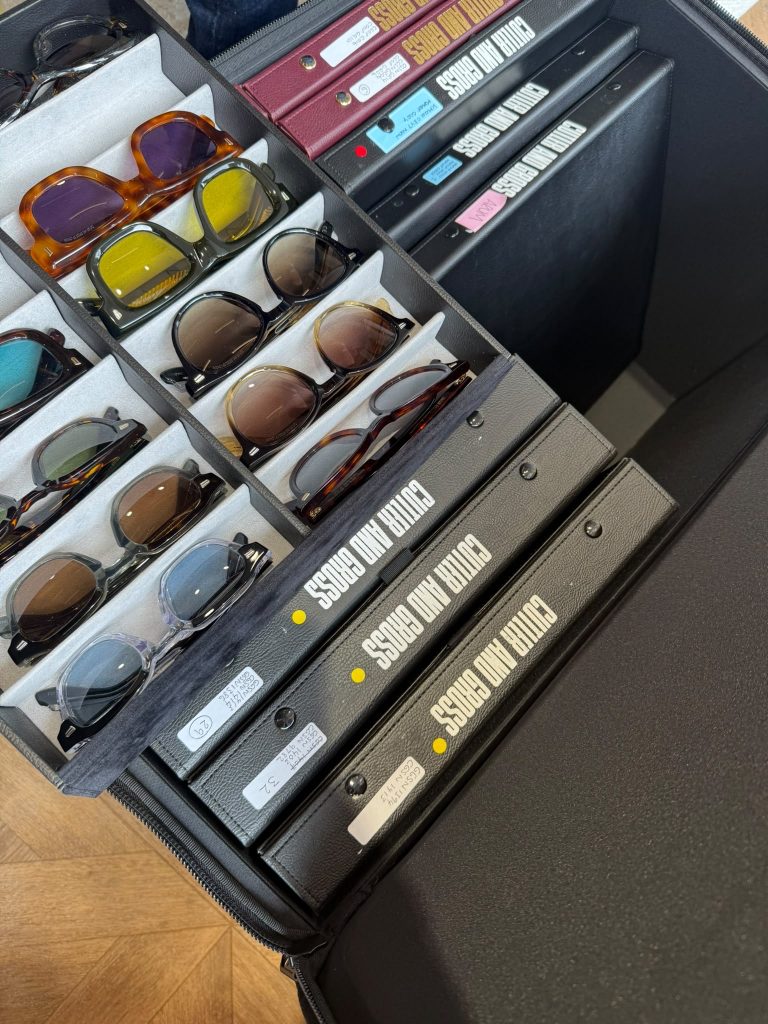
On bright days, yes. The College of Optometrists says the low winter sun can be dazzling, and that snow and ice reflect sunlight up into your eyes from below as well as above.
The College recommends sunglasses on sunny winter days, particularly when driving. Eye Health UK advises wearing sunglasses whenever the UV Index is above 3, even when it’s cloudy.
A few practical tips:
- – Keep a pair in the car. The low sun on the school run or the commute is when you’ll want them most.
- – Check the label. Look for UV400 or 100% UV protection.
- – Don’t wear them after dark. Sunglasses are for daylight only.
Why is winter driving harder on my eyes?
Because so much of it happens in low light. In winter, many of us drive to and from work in the dark, and the low sun in between can be dazzling.
Night driving gets harder as we get older, and headlight glare is a common complaint. Our guide to why it’s harder to see when driving at night explains why, and what helps.
The quick version: keep your windscreen clean inside and out, wear your glasses if you’ve been told to, and have your eyes tested if night driving has got harder.
Are long winter evenings on screens bad for my eyes?
The College of Optometrists says there is no evidence that more time on a computer damages your vision. But long sessions can leave your eyes tired, and we tend to blink less when we concentrate on a screen.
The College suggests:
- – Rest your eyes regularly. Every 20 minutes, look at something in the distance for 20 seconds.
- – Remember to blink. It keeps your eyes comfortable.
- – Keep the screen about an arm’s length away, with the top at or below eye level.
- – Switch lamps on early. Shorter days mean less light, and good lighting makes it easier for your eyes to focus.
Can colds and flu affect my eyes?
They can. Colds and flu can make your eyes red and sore, and germs can spread to your eyes on your hands.
The simplest protection is to wash your hands before touching your eyes, especially if you or someone at home has a cold.
The NHS says conjunctivitis (red, gritty or sticky eyes, sometimes called pink eye) usually gets better on its own in a couple of weeks. A pharmacist can give advice and suggest drops.
Please don’t wait if you have eye pain, sensitivity to light, very red eyes, or changes in your vision such as flashes or wavy lines. The NHS advises asking for an urgent GP appointment or getting help from NHS 111, but you can also contact us direct.
How to look after your eyes this winter
If you’d like a simple checklist, here’s what we’d suggest:
- – Check when you last had an eye test. NHS England says everyone should have their eyes tested at least every two years.
- – Turn the heating down a touch and let fresh air in each day.
- – Keep sunglasses in the car for low winter sun.
- – Clean your windscreen and glasses before driving in the dark.
- – Take screen breaks on long evenings indoors.
- – Wash your hands before touching your eyes during cold and flu season.
- – Get any new symptoms checked, especially sudden changes in your sight.
Do I need a special winter eye check?
No. There’s no need for a separate winter check, and no need to buy anything special for winter.
If your eyes are comfortable, you can see clearly and your last eye test was within the last two years, simple habits are usually all you need.
It’s worth booking an eye test if you’re due one, if night driving has become harder, or if you’ve noticed anything new. Winter is simply a good time to notice those things, because the dark evenings and low sun make them harder to ignore.
Winter eye care in Doncaster
If winter has left you with questions about your eyes, come and talk to us. Your eye test is with Dr Pretty Basra, our optometrist and co-owner, every time you visit. You can meet Pretty here.
Our appointments aren’t rushed, so there’s time to mention the small things: gritty eyes in the evening, the glare on the drive home, or simply that your glasses don’t feel as sharp as they did.
If the answer is a simple change of habit rather than new glasses, we’ll tell you. We don’t work on commission, so there’s no pressure either way.
We’re on Priory Place in Doncaster town centre, and we’ve been looking after eyes here for more than 50 years. If you’re wondering about the cost of an eye test, or whether you can get one free on the NHS, our guide to how much an eye test costs explains more.
Questions people often ask
Is central heating bad for your eyes?
It can make dry eyes feel worse. The College of Optometrists suggests lowering the temperature a little, opening a window for a few minutes, and putting a bowl of water near a radiator to add some moisture to the air.
Why are my eyes so watery when I go outside in winter?
Cold wind is a common cause. It can irritate your eyes and make them water. Wearing glasses or sunglasses helps shield them. If one eye waters all the time, or it comes with pain or redness, have it checked.
Should I wear sunglasses when driving in winter?
On bright days, yes. The College of Optometrists says the low winter sun can be dazzling and recommends sunglasses on sunny winter days, particularly when driving. Keep a pair in the car, but never wear them after dark.
Can cold weather harm your eyes?
For most people, cold weather simply makes eyes feel dry, watery or uncomfortable. Bright sun reflecting off snow and ice is more of a concern, so wear sunglasses on bright winter days. If anything about your sight changes, get it checked.
Do I need eye drops in winter?
Not everyone does. If your eyes feel dry or gritty, simple changes like lowering the heating often help. If they don’t, an optometrist or pharmacist can suggest lubricating drops that suit you.
The bottom line
Winter is hard on comfortable eyes, but rarely harmful. A cooler, fresher room, sunglasses for the low sun, screen breaks and clean hands go a long way. And if something has changed, an eye test is the best place to start.
If you’d like to talk it through, you’re very welcome to book an appointment, call us on 01302 349193 or simply pop in. No pressure, and no obligation.